I must have been a toddler when my mom had to take me to the bank. She was a stay at home mom so I had to go everywhere she went. The banking hours way back in the 1970s were far and few between compared to today’s bank hours. That’s where the term banking hours came from. They used to be open between 10am and 4pm, so that’s why I was dragged to the bank in the middle of the day while my dad was at work. He would give my mom very specific instructions on what do to. She would usually carry the instructions on a piece of paper. My dad said he ordered gold bullion from Bank of Nova Scotia and my mom would go and pick it up. It might have been a trendy thing to do, not sure but Bank of Nova Scotia was a pioneer in the public lending of gold.

We were not rich by any means but when I asked my dad how he could afford certain things, he would tell me he has no vices. He doesn’t smoke or drink so that’s how he was able to save and buy some luxuries. We lived within our means and I never felt deprived of anything. Having rich friends from two income professional families who pressured him to spend more money, or buy a bigger home or a nicer car, never swayed him from his financial goals.
So there I was at the bank as a little girl, my earliest memory of banking. I remember a line of people and when we got to the teller I was too short to see them. The one thing I loved about going to this particular local bank was studying the coat of arms that decorated the wall at my eye level while my mom did the transactions. In fact, I thought they placed the art there just for kids like me, to keep them occupied. The coat of arms was from the Bank of Nova Scotia now called Scotiabank. I remember the regal looking animals on it, the knight’s helmet, and the intricate details. I traced everything with my finger until I had to leave. There was a unicorn representing bravery, innocence and purity among other traits. It likely represents the banks connection to the early Scottish settlements in Nova Scotia, the unicorn is a symbol of Scottish heraldry.
It was pretty magical for me to see in a bank office that was for the most part stark. It definitely left an impression on me that this institution loves animals, just like me, and is whimsical but also protective.
Scotiabank no longer uses their coat of arms in their advertising. Bank branches try to exude modernity, clean lines, comfort but not too comfortable, simplified colour schemes and absolutely no whimsy. Maybe the coat of arms started to feel outdated or too reminiscent of the Royalty. Art demonstrates its power to convey lasting and strong messages.
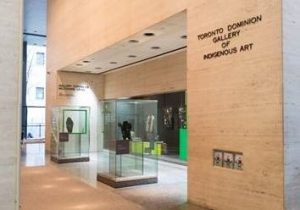
Banks are not without art today. Downtown banks still impress with their vaulted ceilings, lofty architecture and sculpture and art galleries. The TD bank has an amazing public art gallery. I only found out about it when my oldest child attended a downtown daycare at the TD centre. The whimsy and magic of banks is readily found in some of the old head offices. Might be an unusual day trip idea but it’s worth a detour.
If you are interested to read about Bank Of America’s incredible art collection, I found an article about their curator, Allen Blevins, who definitely has an interesting job.
Do you have a good early memory of banking?
Art should not be underestimated. It makes you feel things, it makes you think and it would be nice to see more of it at the bank branches. Maybe the head offices can arrange for artwork to be displayed at smaller branches. It might motivate me to visit more often. What is your earliest memory of banking? Did you have a bank account as a child? Did your parents talk to you about money? I think our early experiences with money and banking really influences our future relationship with finance. I hope your relationship with your money is a healthy one.